Course Approval No. 0501804
Florida Nail + Full Specialist 10-Hour CE - License Renewal
Course Approval No. 0501804.
The course — lessons, practice checks, and final exam — is available in English, Vietnamese, Mandarin, and Spanish; switch languages at any time inside the course. The certificate is issued in English.

Course facts
- Provider
- Continuous Learning LLC (Provider Approval No. 0010717)
- Course approval
- No. 0501804
- Total CE hours
- 10.0
- Delivery
- Distance / Online (Internet)
- Course language
- English, Vietnamese, Mandarin, Spanish
- Version
- 1.1 (legal content current as of 2026-04-28)
- Who it is for
- Florida Nail Specialists, Full Specialists, and Cosmetologists who do nail services
- Instructor of record
- Helen Zhang, FL Full Specialist (FS910890)
- Final exam
- 40 questions, 75% to pass, retakes allowed, open book
- Access
- 365 days from enrollment, or until your certificate is issued
| Subject | Hours |
|---|---|
| HIV / AIDS | 1.0 |
| Sanitation & Sterilization | 3.0 |
| OSHA Regulations | 0.5 |
| Workers’ Compensation | 0.5 |
| State & Federal Laws | 2.0 |
| Chemical Makeup | 1.0 |
| Environmental Issues | 1.0 |
| Elective: Nail Disorders | 1.0 |
| Total | 10.0 |
What’s covered
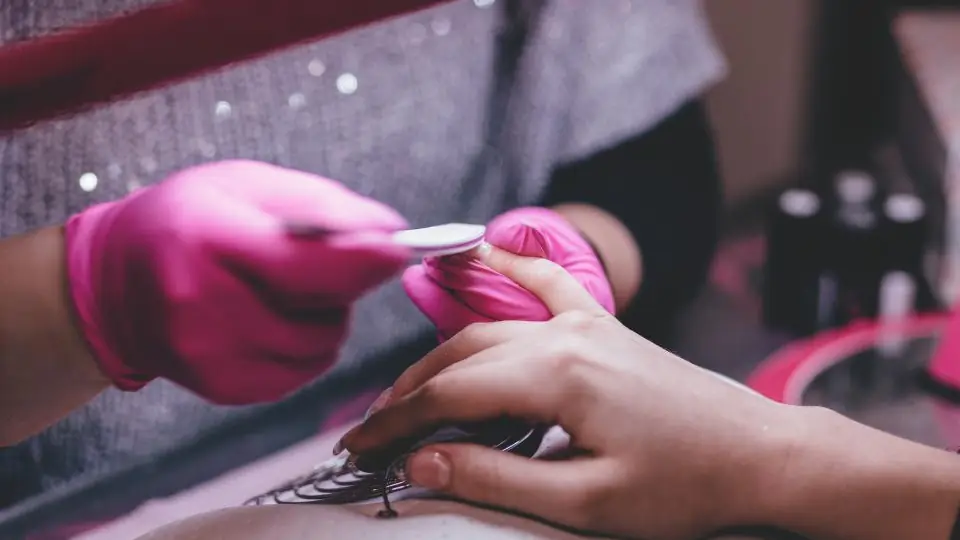 Module 1 — HIV/AIDS & Communicable Diseases1.0 h · 20 sections
Section titles are shown in English here; inside the course they appear in the language you choose.
- Quick Reference Card
- Why this module exists
- HIV and AIDS — what they are and what they are not
- Hepatitis B (HBV) — what it is
- Hepatitis C (HCV) — what it is
- Modes of transmission — what does and does not transmit
- Nail-specialist exposure surfaces — the working surface where this module gets specific
- Infection Control Procedures (CDC Standard Precautions)
- Clinical Management of HIV/AIDS
- Prevention of HIV/AIDS
- Other communicable conditions you encounter at the workstation
- Post-exposure protocol — what to do on the day it happens
- Reporting and documentation
- The 1099 booth-renter's BBP self-protection playbook
- Confidentiality and stigma — the FL legal framework
- Worked examples
- Knowledge check (5 questions, multiple choice)
- Free-response scenarios
- Monday-morning close-out — five actions for next shift
- Module summary
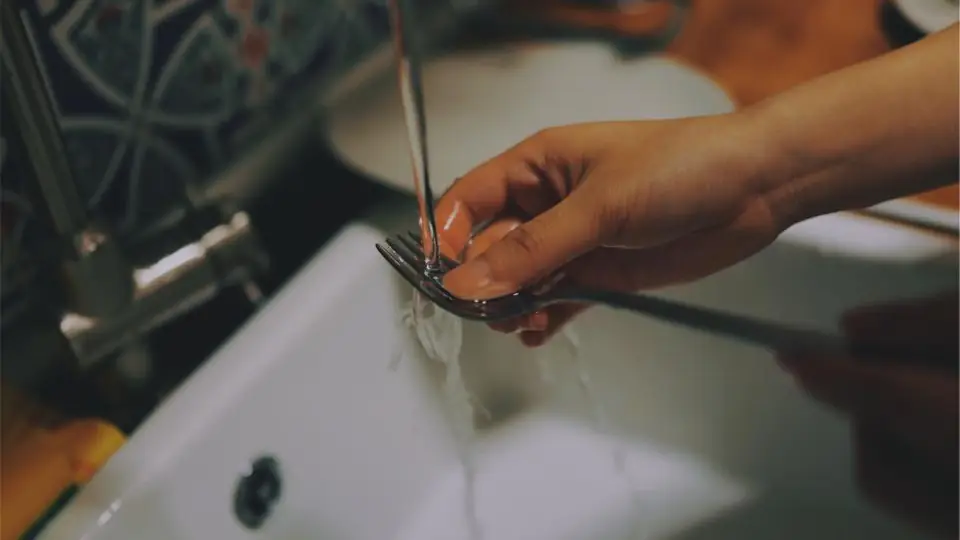 Module 2 — Sanitation and Sterilization3.0 h · 17 sections
Section titles are shown in English here; inside the course they appear in the language you choose.
- What you'll learn
- Quick Reference Card — print this and keep it at your station
- The rule that runs your floor — FAC 61G5-20.002
- Sanitation, disinfection, sterilization — three different things
- Implement classification — critical, semi-critical, non-critical
- What makes a disinfectant legal in a Florida salon
- Storage — clean separated from soiled
- The pedicure-equipment disinfection protocol — three tiers, every tier logged
- Single-use vs multi-use — what FL law allows
- Common cited violations — what FL inspectors actually find
- Personal hygiene and bloodborne-pathogen contact — the rule's general expectations
- The inspection-readiness self-audit — a checklist to run weekly
- Worked examples — real decisions
- Knowledge check — five multiple-choice questions
- Free-response scenarios
- What to do Monday morning
- Module summary
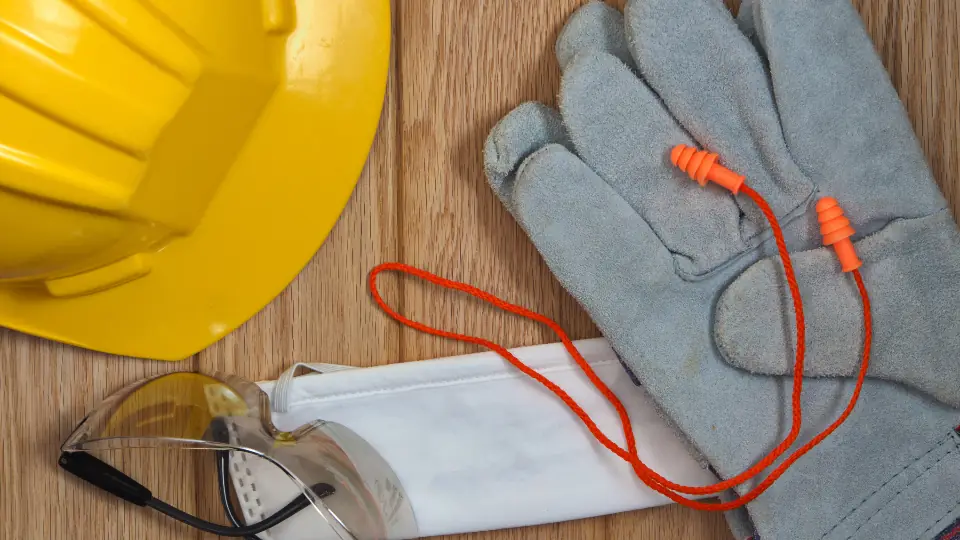 Module 3 — OSHA Regulations0.5 h · 16 sections
Section titles are shown in English here; inside the course they appear in the language you choose.
- What you'll learn
- Quick Reference Card — print this and keep it at your station
- The federal rule that runs your chemical safety — HazCom (29 CFR 1910.1200)
- Reading a Safety Data Sheet — the 16 sections that matter
- The chemicals on your station — names, synonyms, and CAS numbers
- The Florida MMA prohibition — § 477.0265(1)(g) — what it is and how to identify MMA in product
- PPE — the right material, the right respirator, the right glasses
- Ventilation — source-capture is what works
- Employee vs independent contractor under OSHA — and why the answer is the same
- Recordkeeping, posting, and the OSHA citations most often issued in salons
- The 1099 booth-renter's chemical-hazard self-protection playbook
- Worked examples — real decisions
- Knowledge check — five multiple-choice questions
- Free-response scenarios
- What to do Monday morning
- Module summary
 Module 4 — Workers’ Compensation0.5 h · 15 sections
Section titles are shown in English here; inside the course they appear in the language you choose.
- What you'll learn
- Quick Reference Card — print this and keep it in your station drawer
- Why this module exists — and why nail techs read past it at their peril
- Who must carry coverage — the Chapter 440 thresholds
- The 1099 / booth-rental coverage gap — the lived reality
- Worker classification — the "control test" and why it matters
- If you are an employee — the workers' compensation claim path
- If you are a 1099 booth-renter — the path that does not exist
- Filling the gap — categories of self-purchased coverage for the 1099 nail tech
- Common nail-tech workplace injuries — and how each is classified
- If you are a salon owner — your obligations and your audit risk
- Worked examples
- Scenarios — write your answer before you read the discussion
- Knowledge check (5 questions)
- Module summary
 Module 5 — State and Federal Laws2.0 h · 14 sections
Section titles are shown in English here; inside the course they appear in the language you choose.
- What you'll learn
- Quick Reference Card — print this and keep it at your station
- The three legal documents that govern your license
- The license types — and which one is yours
- What you may do — and what you may not
- Prohibited acts you have to know — § 477.0265 and § 477.029 in plain English
- Scope-of-practice — the gray-area cases
- Salon license vs your individual license
- License renewal and CE — how it actually works
- Federal context — MoCRA (Modernization of Cosmetics Regulation Act of 2022)
- What to do Monday morning
- Scenario practice (free response)
- Module 5 multiple-choice knowledge check
- Module 5 summary
 Module 6 — Chemical Makeup1.0 h · 16 sections
Section titles are shown in English here; inside the course they appear in the language you choose.
- What you'll learn
- Quick Reference Card — print this and keep it at your station
- Anatomy of the nail unit — what you are working on
- Healthy nail growth — the cycle and what shifts it
- Liquid-and-powder ("acrylic") chemistry — and why MMA was banned
- UV/LED gel chemistry — and why HEMA is the emerging issue
- Nail polish chemistry — what the bottle actually is
- Solvents — the chemistry of putting it on and taking it off
- Adverse reactions at the chemistry-clinical interface
- Storage, shelf life, and chemistry-aware product handling
- The chemistry-clinical decision tree — a practical close-out
- Worked examples — chemistry-driven decisions
- What to do Monday morning
- Free-response scenarios
- Knowledge check — five multiple-choice questions
- Module summary
 Module 7 — Environmental Issues & FDA / MoCRA1.0 h · 16 sections
Section titles are shown in English here; inside the course they appear in the language you choose.
- Quick Reference Card
- Why this module exists
- The federal regulatory architecture — who regulates what
- Cosmetic vs drug — the legal distinction and why it matters
- MoCRA — what changed and why it matters
- Adverse-event reporting — the protocol on the day it happens
- The recall framework
- Environmental waste streams from a nail salon
- UV / LED lamps, bulbs, and used product containers
- The water and air pathways — what salons sometimes get wrong
- The 1099 booth-renter's environmental & adverse-event playbook
- Worked examples
- Knowledge check (5 questions, multiple choice)
- Free-response scenarios
- Monday morning close-out — five actions for next shift
- Module summary
 Module 8 — Nail Disorders & When to Refer Out1.0 h · 14 sections
Section titles are shown in English here; inside the course they appear in the language you choose.
- What you'll learn
- Quick Reference Card — print this and keep it at your station
- The legal frame — why this matters for your license
- Onychomycosis — fungal nail infection
- Paronychia — acute and chronic are very different problems
- Pseudomonas — "the greenies"
- Onycholysis — the lifting nail
- Subungual hematoma — the trauma nail
- Subungual melanoma — the recognition skill that saves lives
- Psoriasis and other systemic conditions affecting nails
- The decision framework, applied
- Free-response scenario practice
- Multiple-choice knowledge check
- Module summary
- Final exam — 40 questions, 75% to pass